Story Info
Story Info
Yvonne Dalschen
Hunting Island State Park, SC
2023
Type of Wounded Place
Story & Experience
(Yvonne Dalschen is one of the members of Kinship Photography Collective who participated in this year’s Global Earth Exchange)
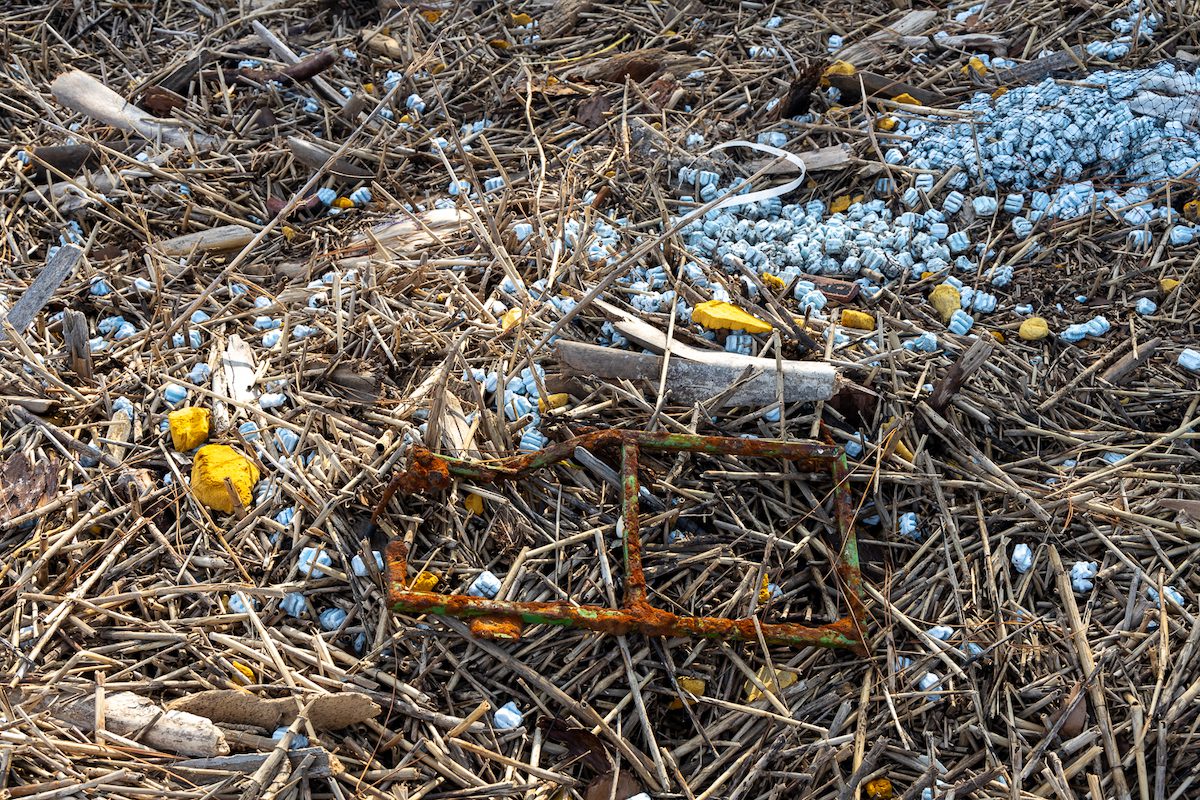
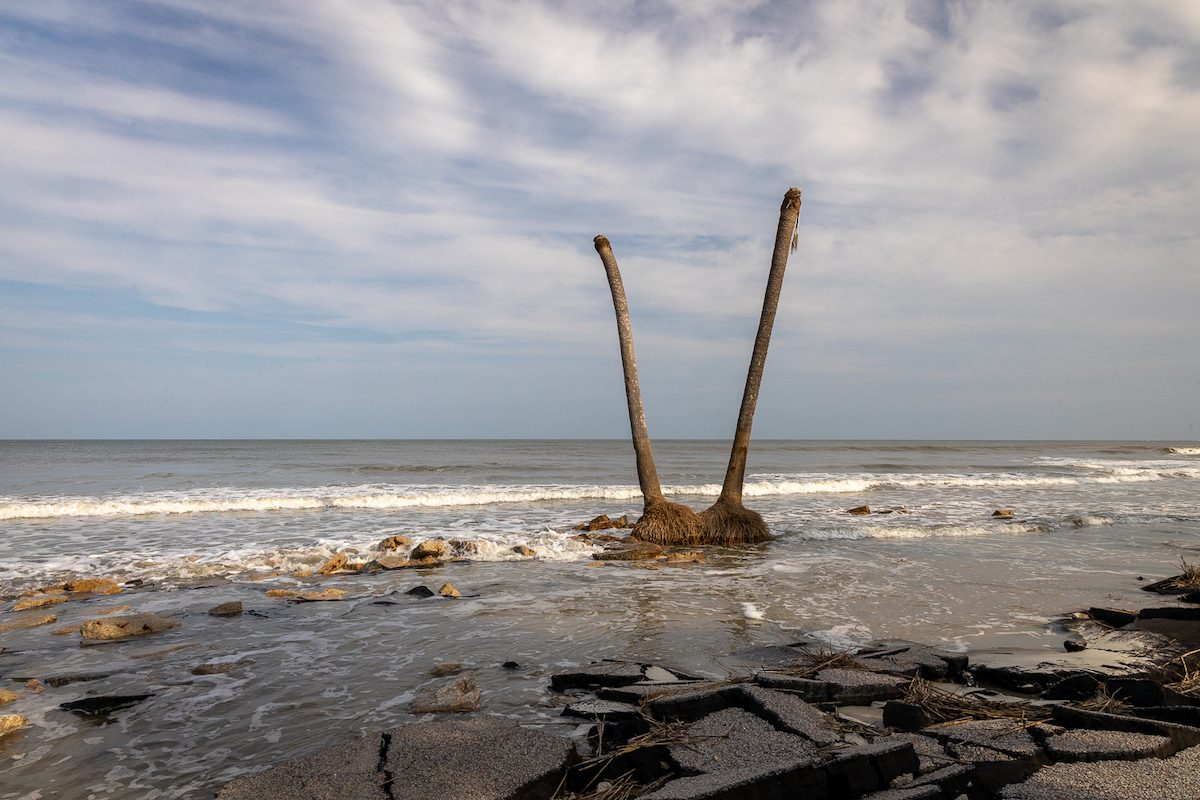
This was my first visit to Hunting Island State Park in South Carolina. It’s a beautiful place of comic scenes of escaping toddlers, flying umbrellas and bright red sunbathers. It’s sea, sand, shells, crabs, loggerhead turtles, marshes, and even a lighthouse. I did not know about Hurricane Matthew and Irma and the destruction they brought to the dunes and beaches and the man-made structures on the island. Taking a right turn during flood, the beach disappears, and the landscape turns odd.
Storms happen, and it is human hubris to build houses on barrier islands and their shifting sands, robbing them of their function. But to me, the sadness of the road and restroom remnants stemmed from the fact that public land was disappearing. The geography of the South Carolina Low-Country makes it already difficult to get to a beach, but now add private beaches and golf resorts occupying whole islands – like Fripp Island right next door. State Parks in the South have a flawed history, South Carolina rather closed them from 1963 to 1966 than to desegregate, yet they are a way for everybody to gain (admittedly paid) access. Hunting Island State Park has lost half of its camp sites and closes halfway through the day because parking lots and beaches are overcrowded.
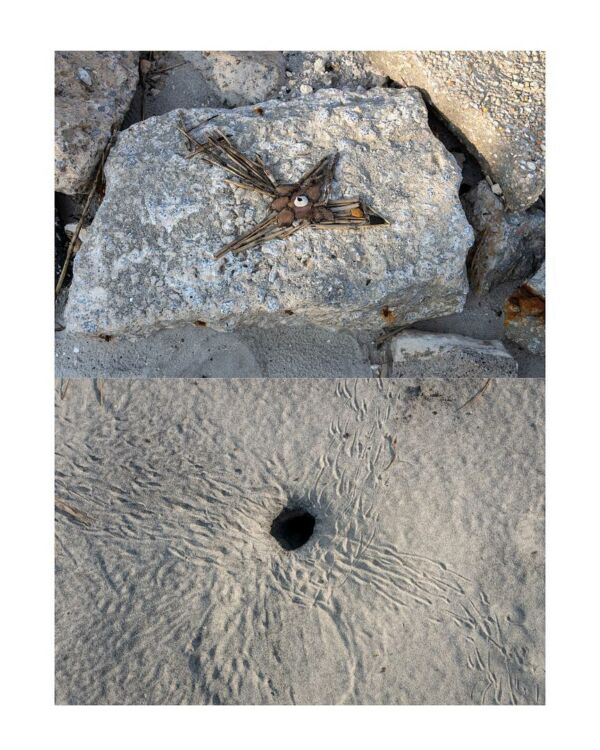
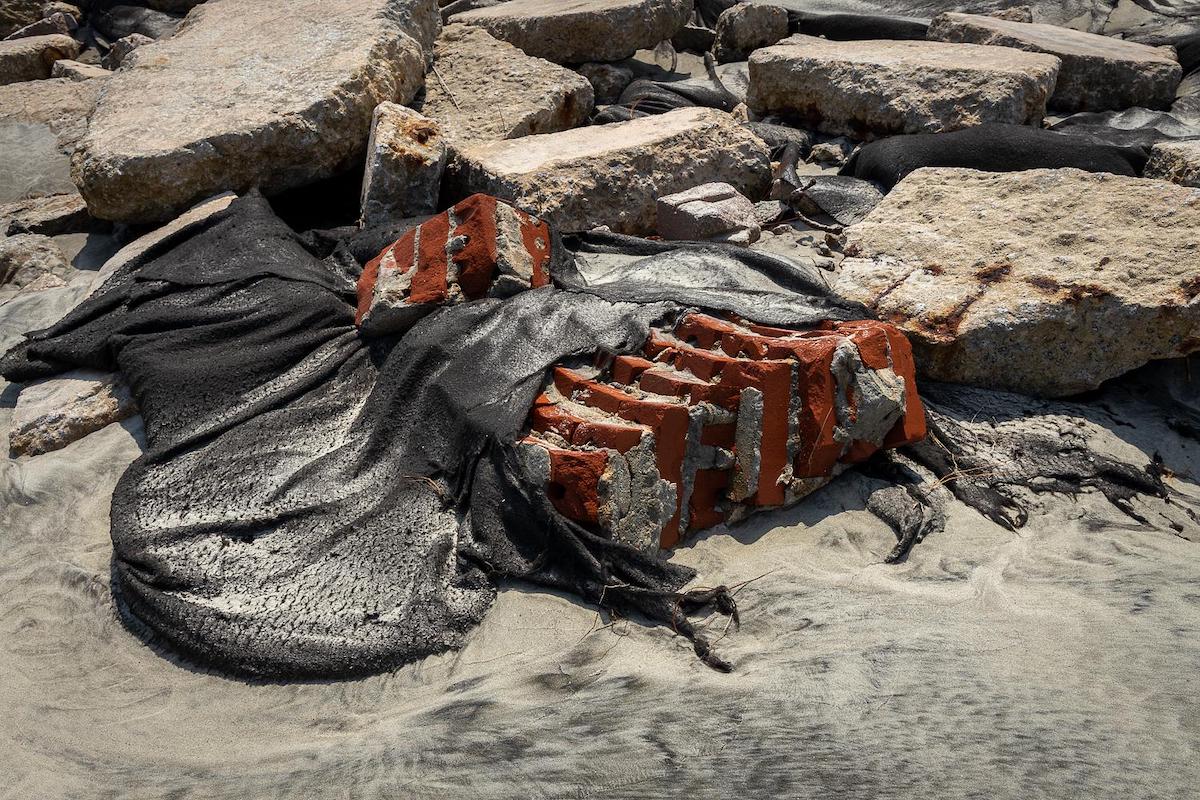
The crabs couldn’t care less, digging their holes under the tar and bricks, building their own road system, enjoying their ancient right of way. I was sitting on a concrete boulder with faint turquoise paint, enjoying the sound of the waves and the scurrying of crab feet. Wherever the coastline will be in the future with storms more frequent and violent, access to beaches (and lakefronts) should be a human right and come without a hefty member fee.
(Yvonne Dalschen is one of the members of Kinship Photography Collective who participated in this year’s Global Earth Exchange)
This was my first visit to Hunting Island State Park in South Carolina. It’s a beautiful place of comic scenes of escaping toddlers, flying umbrellas and bright red sunbathers. It’s sea, sand, shells, crabs, loggerhead turtles, marshes, and even a lighthouse. I did not know about Hurricane Matthew and Irma and the destruction they brought to the dunes and beaches and the man-made structures on the island. Taking a right turn during flood, the beach disappears, and the landscape turns odd.
Storms happen, and it is human hubris to build houses on barrier islands and their shifting sands, robbing them of their function. But to me, the sadness of the road and restroom remnants stemmed from the fact that public land was disappearing. The geography of the South Carolina Low-Country makes it already difficult to get to a beach, but now add private beaches and golf resorts occupying whole islands – like Fripp Island right next door. State Parks in the South have a flawed history, South Carolina rather closed them from 1963 to 1966 than to desegregate, yet they are a way for everybody to gain (admittedly paid) access. Hunting Island State Park has lost half of its camp sites and closes halfway through the day because parking lots and beaches are overcrowded.
The crabs couldn’t care less, digging their holes under the tar and bricks, building their own road system, enjoying their ancient right of way. I was sitting on a concrete boulder with faint turquoise paint, enjoying the sound of the waves and the scurrying of crab feet. Wherever the coastline will be in the future with storms more frequent and violent, access to beaches (and lakefronts) should be a human right and come without a hefty member fee.
Hunting Island State Park, SC
RECENT STORIES
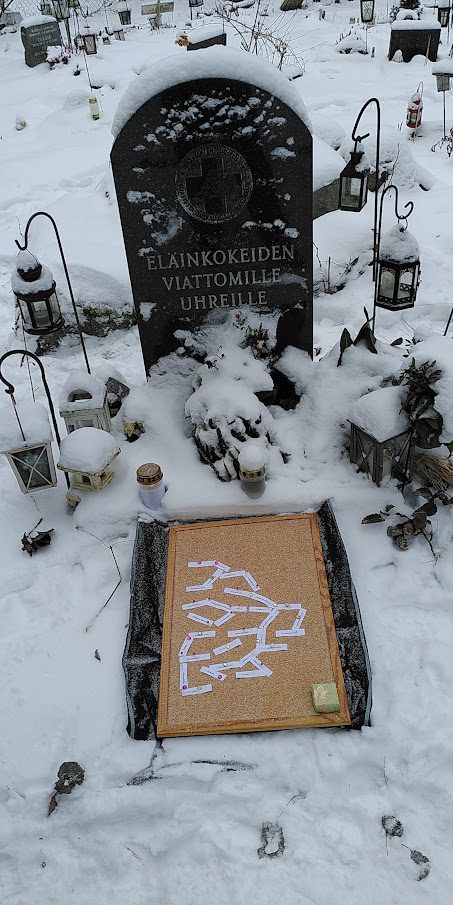
Remembrance Day for Lost Species in Helsinki 2023
On November 30th, there was first a session organized by the Finnish social and health sector project about eco-anxiety and eco-emotions (www.ymparistoahdistus.fi). This “morning coffee roundtable”, a hybrid event, focused this time on ecological grief [...]
Ashdown Forest
Ashdown Forest is an area of natural beauty in West Sussex, England. It is also one of the very few remaining areas of extensive lowland heath left in Europe. This rare and threatened landscape is [...]