
The Practice of RadJoy entails going to damaged places and finding and making beauty there. We take a bold, honest look at what’s before us, open up to difficult feelings of outrage and grief… and get to know the place as it is now by exploring how it survives, how it adapts.
Sometimes, however, the apparent “beauty” we’re presented with is a lie. Often lying beauty is contrived by a government agency or the industry responsible for causing the wound. The intention is to convince you that there is no ugliness here or that, if anything had been amiss in the past, the problem has been neatly solved.
Lying beauty does not arise from the wound, but covers it up, minimizes it. An example is the “beauty strips,” or bands of tall trees planted along roads in the Pacific Northwest to give people the impression that native forests, rather than great swaths of clear-cuts, stretch out behind them. A woman in Colorado perceived such trickery in the bright green lawns of her neighborhood, where homeowners coerced that verdure by saturating the lawns in chemicals. Her dismay turned to outrage when she took her infant daughter to a nearby park on the first nice day of spring, only to discover signs instructing parents not to let their children play on the grass, since pesticides had been applied. All that green grass, representing the ideal of American suburban life, could be admired from a distance, but the one thing you could not do was set your child down upon it so she could play.
Be on the lookout for lying beauty. Until we are able to truly see the wounds in the places we love, we will not be able to give them the protection and beauty they call for.
— Trebbe Johnson
Image Credit:
- Pesticides Sign 2011: Nature by Design Blogspot
MORE RADICAL JOY REVEALED
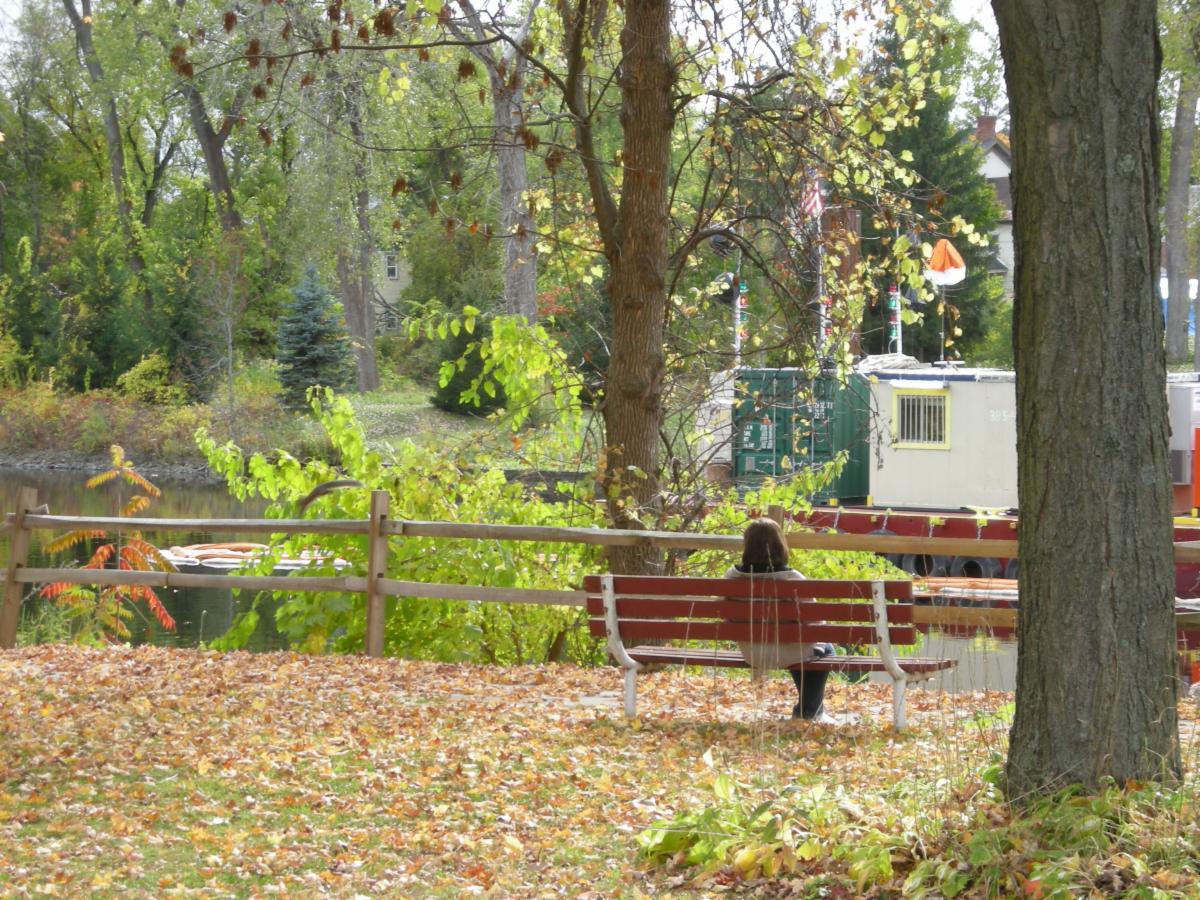
“There’s No Wounding Here”
Every now and then, around this time of year, in the weeks leading up to the Global Earth Exchange, someone emails to tell me they’d like to participate in our annual event of giving beauty [...]

Do It Though No One Notices
A young woman I know who lives in North Carolina considers herself an ardent environmental activist. She belongs to the Sierra Club and The Wilderness Society, works for an organization that runs therapeutic wilderness programs [...]
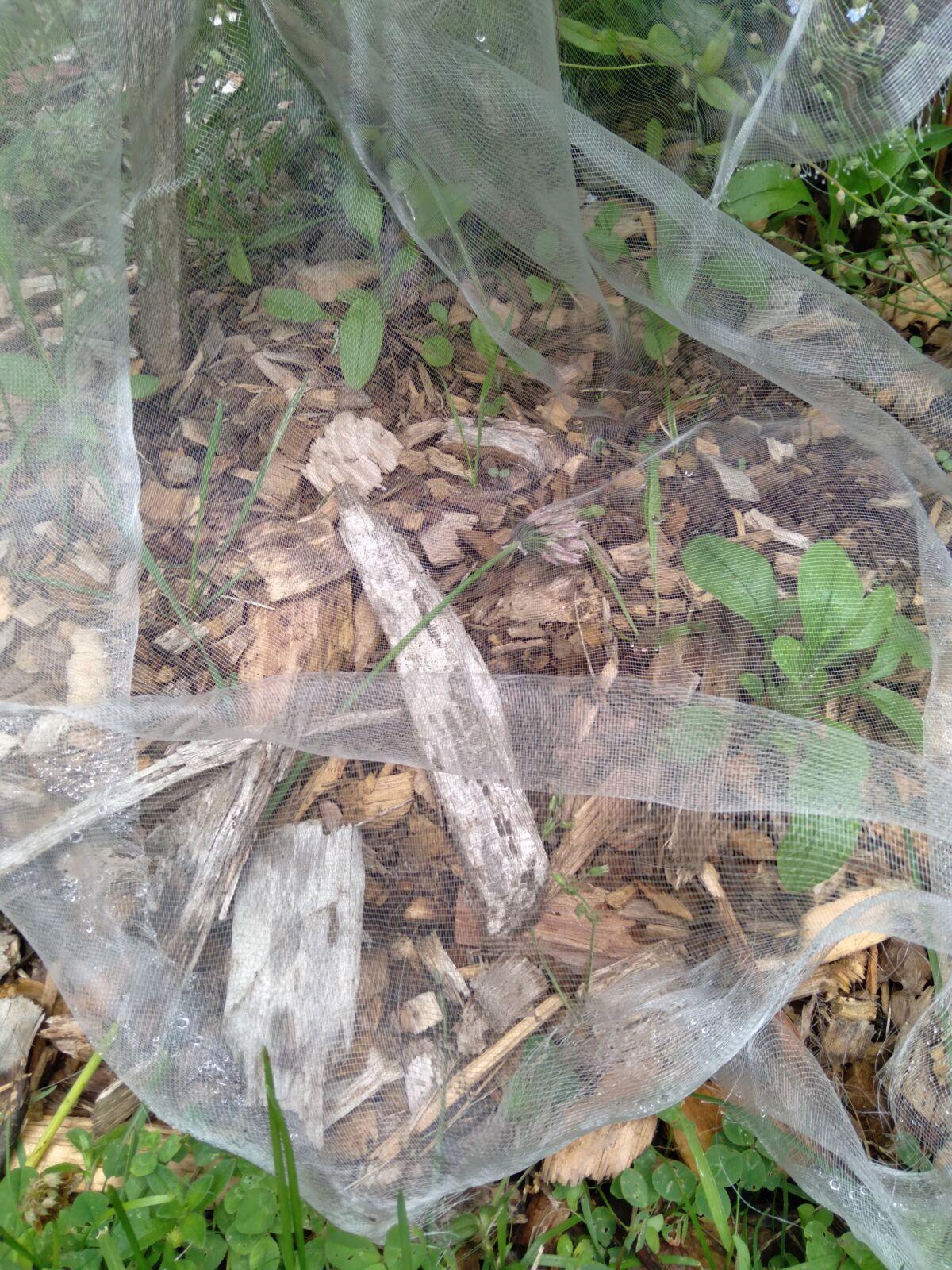
In Memory of a Cardinal
Radical Joy for Hard Times has always urged our members around the world to give attention and beauty to those places and beings that have meaning for them. It’s not necessary to seek out some [...]